
Features
It keeps profile, routines, documents, and everyday dog events together.
- Dog profile with details, age, weight, and useful references
- Reminders for visits, treatments, and deadlines
- Log for habits, food, notes, and documents
Dogs · Product
A practical guide to life with your dog.

 Link in preparation
 Link in preparation
Product
BauLife organizes useful information, routines, and references to support a dog through the different stages of life.
The product centers understandable guidance and concrete actions, while keeping everyday support clearly separate from veterinary advice.
Inside the app
Real app screens, updated as the product evolves.
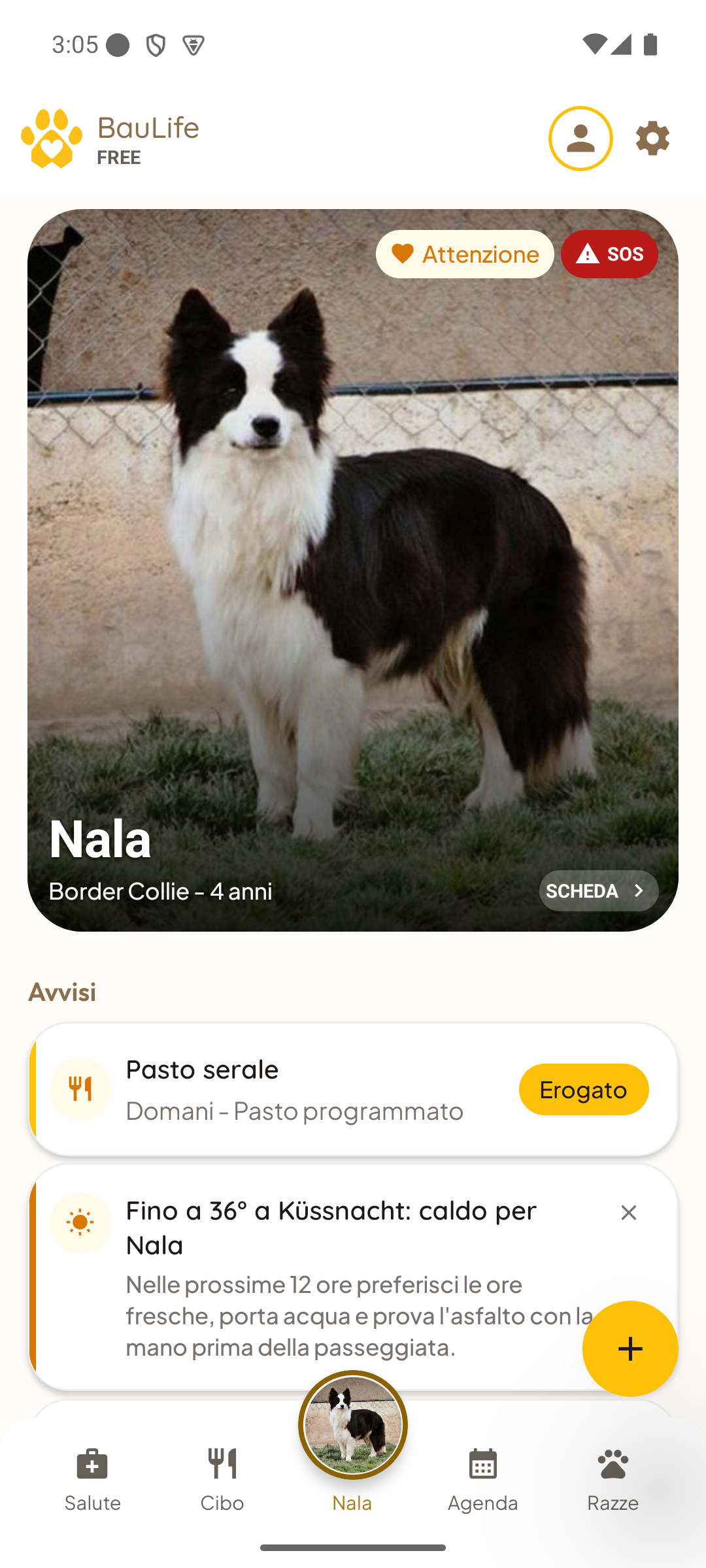
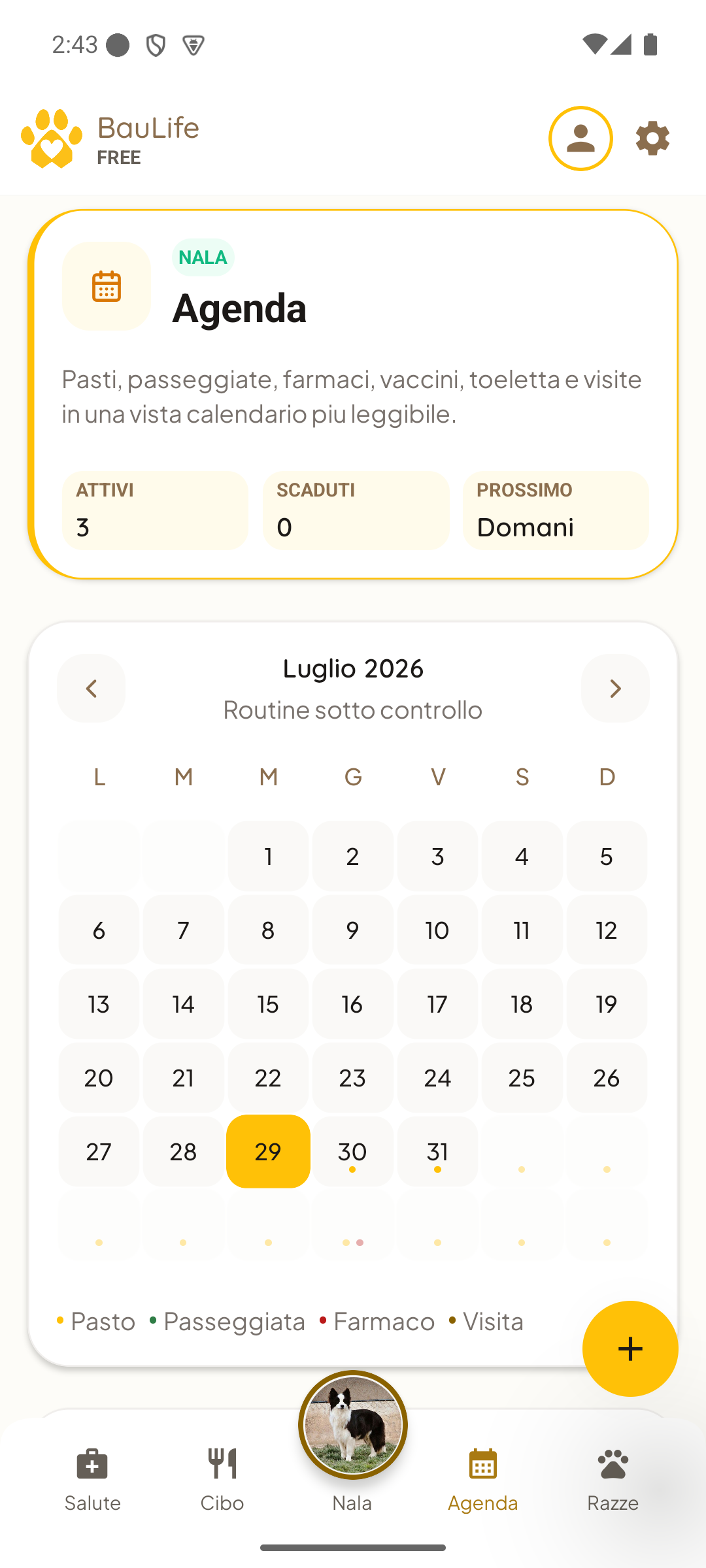
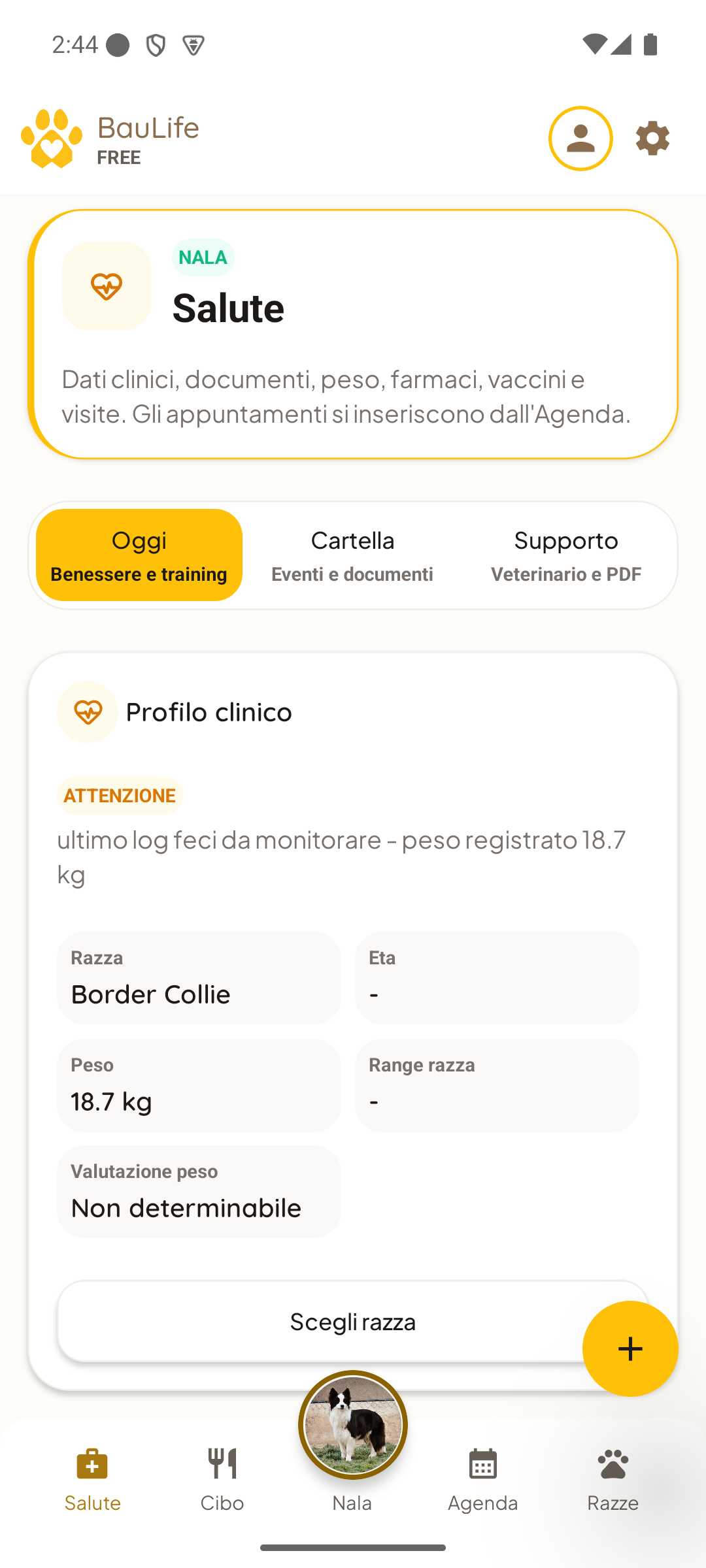
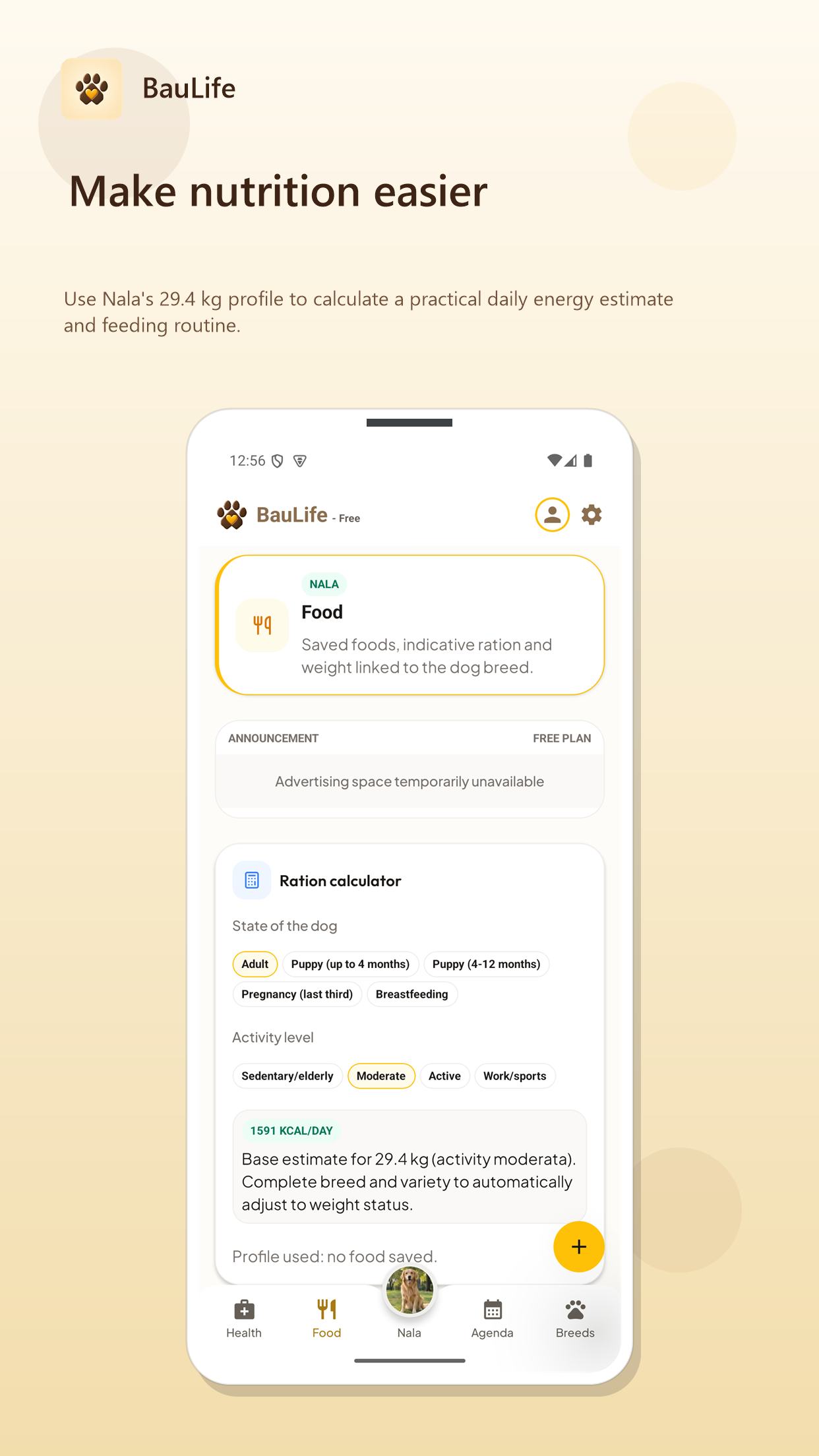
BauLife gathers what matters in everyday dog care, keeping practical support separate from veterinary advice.
What it actually includes
BauLife brings order to a dog's everyday life: profile, weight, visits, vaccines, medications, antiparasitics, documents, food, breeds, risky substances, SOS tools, and revocable access for family and sitters all stay in the same archive.
Key features
It keeps profile, routines, documents, and everyday dog events together.
It offers quick tools for care, safety, and family organization.
It helps important information stay clear when several people care for the same dog.
BauLife
The topics this app helps you manage every day.
Core vaccines (like rabies and distemper) are usually given as a puppy series and then boostered every one to three years depending on the vaccine and local regulations, while some non-core vaccines are given annually based on lifestyle and risk. Schedules vary by country, region, and individual health, so your vet is the one who sets the actual plan. BauLife's health diary lets you log each vaccine as it's given so the dates are always on hand.
The safest way is to write down the date and interval your vet gives you right after each vaccination, since intervals differ by vaccine type and can change if your dog's risk profile changes. Paper records get lost easily, which is one of the most common reasons boosters are missed. BauLife's health diary tracks vaccine dates and upcoming deadlines in your dog's profile so nothing slips through.
A short delay usually isn't an emergency, but you should contact your vet as soon as you notice, since some vaccines need to restart the whole series if too much time has passed. Never guess whether a booster is 'close enough' — let your vet decide based on the specific vaccine and elapsed time. BauLife's health diary flags overdue deadlines so a missed appointment is easier to catch early.
Most antiparasitic treatments are applied monthly, but the right product and frequency depend on your dog's weight, health, and where you live, so check the label and your vet's recommendation rather than assuming one schedule fits all dogs. Missing a dose is one of the easiest things to lose track of over a busy year. BauLife's health diary includes antiparasitics as their own category with reminders alongside vaccines and medications.
A single, chronological record of visits, diagnoses, medications, and test results makes it much easier for any vet to understand your dog's history quickly, especially in an emergency or if you switch clinics. Scattered paper folders and text threads make this hard to maintain over a dog's lifetime. BauLife's health diary keeps visits, vaccines, medications, and deadlines together in one place tied to your dog's profile.
Healthy adult dogs generally benefit from an annual wellness exam, while puppies and senior dogs are usually seen more often since their needs change faster. This isn't a substitute for contacting your vet promptly if something seems off between visits. BauLife's health diary lets you log each visit so you can see the pattern of care over time.
Common culprits include chocolate, grapes and raisins, onions and garlic, xylitol (found in sugar-free gum and some peanut butters), alcohol, and macadamia nuts — even small amounts of some of these can cause serious problems. This isn't a full list, and sensitivity can vary by dog, so if you're unsure about something your dog ate, contact your vet or a poison-control line rather than waiting to see what happens. BauLife's food area keeps a reference list of risky substances and toxic foods next to your dog's regular feeding info.
No — grapes and raisins are considered toxic to dogs and have been linked to acute kidney failure, even in small quantities, and the reaction doesn't seem to depend on the dog's size or breed. If your dog has eaten grapes, this isn't something to manage at home — contact your vet or an emergency vet line right away. BauLife's food area flags grapes among the risky substances to keep out of your dog's reach.
Daily amounts depend on your dog's weight, age, activity level, and the calorie density of their specific food — as a rough starting point adult dogs often need around 25-30 calories per pound of body weight, but this is only a starting point to adjust from. Puppies, pregnant or nursing dogs, and very active dogs typically need more. BauLife's food area lets you log rations and feeding habits alongside your dog's weight so you can track what's actually working.
Chocolate contains theobromine, which dogs metabolize much more slowly than humans, and darker or baking chocolate is more concentrated and more dangerous than milk chocolate. Because the risk depends on the type and amount eaten versus your dog's size, this always needs a vet or pet poison hotline's judgment rather than a wait-and-see approach — contact them right away if you suspect ingestion. BauLife's food area lists chocolate among the substances to watch for in your dog's daily environment.
Beyond food, common household dangers include xylitol-sweetened products, certain houseplants, rodenticides, human medications, antifreeze, and some cleaning products — many of these are kept in places dogs can reach without anyone noticing. If you think your dog has gotten into something toxic, this always calls for immediate vet or poison-control guidance rather than home remedies. BauLife's food area gathers risky substances in one reference list so you know what to keep away from your dog.
A gradual transition over 7-10 days — mixing increasing amounts of the new food with the old — generally causes fewer digestive issues than switching all at once. Every dog reacts differently, so watch for loose stools or appetite changes and slow the transition if needed. BauLife's food area lets you log feeding habits so you can see how a diet change is going over time.
Apartment suitability depends less on size than on energy level, noise tendency, and how well a breed tolerates being indoors for stretches of the day — breeds like French Bulldogs, Cavalier King Charles Spaniels, and even calmer giant breeds like Greyhounds can do well, while some small but high-energy breeds struggle without enough stimulation. The right fit really comes down to your specific dog's temperament and your daily routine. BauLife's breed atlas covers lifestyle fit and needs for different breeds to help with this kind of comparison.
Breeds often recommended for families include Labrador Retrievers, Golden Retrievers, and Bernese Mountain Dogs, generally chosen for patience and a gentle temperament, though individual personality and proper training and supervision matter just as much as breed. Young children should always be supervised around any dog, regardless of breed reputation. BauLife's breed atlas includes compatibility notes to help you compare how different breeds tend to interact with kids.
Dogs with a naturally calm temperament and low prey drive — like Bulldogs, Basset Hounds, or many retriever breeds — tend to adjust to cats more easily, though early socialization and a gradual introduction matter more than breed alone. Some individual dogs will surprise you either way. BauLife's breed atlas lists compatibility traits, including how breeds generally do around cats and other pets.
Boxers can adapt to apartment life if their exercise needs are met, since they're an energetic, people-oriented breed that needs daily walks and mental stimulation to avoid boredom-driven chewing or barking. Without enough activity, their energy can become a real challenge in a small space. BauLife's breed atlas covers lifestyle needs like this so you can check exercise and space requirements before choosing a breed.
Many breeds have known predispositions — for example, larger breeds are more prone to hip dysplasia, flat-faced breeds to breathing difficulties, and some smaller breeds to dental or joint issues — though this doesn't mean every dog of that breed will develop the condition. Knowing your dog's predispositions helps you watch for early signs, but any actual symptoms should go through your vet, not a breed guide. BauLife's breed atlas lists common predispositions by breed alongside general care needs.
Exercise needs vary hugely by breed — working and herding breeds often need well over an hour of activity a day, while some companion breeds are satisfied with shorter walks — and mismatching this with your lifestyle is a common source of behavior problems. It's worth checking your specific breed's typical needs rather than assuming. BauLife's breed atlas includes lifestyle and exercise needs to help you match care to your dog's breed.
Requirements vary by destination, but commonly needed items include an up-to-date rabies vaccination certificate, a health certificate from your vet, and sometimes a microchip record or additional import paperwork for international travel — airlines and border authorities may each have their own requirements too. Always check both your departure and destination rules well ahead of time. BauLife keeps your dog's documents and vet references gathered in one place so you can pull them up when you need them.
Having records in one accessible place — rather than scattered across paper folders, clinic portals, and text messages — makes it much easier to hand over full history at a new vet, a boarding facility, or in an emergency. Digital copies are also easier to keep from getting lost or damaged. BauLife brings your dog's documents and vet references together in one place attached to their profile.
Start searching immediately in a wide radius from where they were last seen, notify local shelters, animal control, and nearby vets with a clear photo and description, and check your dog's microchip registration is current since that's often how lost dogs are reunited with owners. Posting on local social media and neighborhood groups with a recent photo also helps a lot. BauLife's SOS feature gives you ready-to-share content with your dog's key details for exactly this kind of situation.
A solid kit typically includes a few days of food and water, any regular medications, basic first-aid supplies, a leash and carrier, and copies of your dog's medical records and ID information — kept somewhere you can grab quickly. It's worth reviewing the kit every so often since medications and supplies can expire. BauLife's SOS feature helps you have your dog's essential information ready to share the moment it's needed.
Most boarding facilities and daycares require proof of core vaccinations, and sometimes a recent negative fecal test or flea/tick prevention confirmation, to protect all the dogs on-site — requirements vary by facility so it's worth checking ahead. Keeping documentation handy avoids a stressful scramble on drop-off day. BauLife keeps vaccination records and other documents together so you can share them quickly when a facility asks.
In a fast-moving situation, having your dog's basic profile (age, weight, breed), current medications, known allergies, vet contact info, and recent health history ready to hand over saves precious time with an emergency vet team. Preparing this in advance, rather than trying to recall it under stress, makes a real difference. BauLife's SOS feature packages this kind of information into ready-to-share content for delicate moments.
Sitters generally need your dog's feeding schedule, any medications and dosing times, behavioral quirks, vet contact info, and what to do in case of an emergency — the more specific and written-down this is, the less can go wrong while you're away. Verbal instructions are easy to forget under the pressure of a busy sit. BauLife's family and sitter access lets you share a dog's profile and routines directly, with roles you can adjust or revoke.
Keeping everyone aligned works best with a shared, up-to-date reference for feeding times, walks, medications, and appointments, rather than relying on memory or scattered group texts — this cuts down on double-feeding, missed walks, or confusion about who did what. BauLife's family and sitter access lets multiple people see and update the same dog's routines and deadlines.
Useful questions include their experience with dogs like yours, their plan if your dog gets sick or injured, how often they'll send updates, and whether they're comfortable with any medications or special needs your dog has. Checking references and response time during initial messages tells you a lot about how reliable they'll be. BauLife's family and sitter access lets you share exactly the profile details and routines a sitter needs, without handing over everything.
A shared, single source of truth for feeding times, walks, and medication schedules works far better than relying on each person remembering or texting updates, especially in busier households with kids or multiple caregivers. BauLife's family and sitter access shares a dog's profile and routines with the people who need it, each with their own access.
Ideally yes — a sitter only needs the specific information relevant to the days they're caring for your dog, not permanent or unrestricted access to everything, and that access should be easy to remove once the sit is over. BauLife's family and sitter access supports exactly this, with roles and permissions you can revoke whenever the arrangement ends.
In multi-person households, a shared log that shows who did what and when removes the guesswork and prevents things like accidental double-feeding or a missed evening walk. Verbal check-ins tend to break down once life gets busy. BauLife's family and sitter access lets everyone log activity against the same dog profile so the whole household stays on the same page.
Official store links are not available yet.
Link in preparationLink in preparation